Recently, CBS (Canadian Blood Services) announced that the permanent site in the Town Centre would be closing. Having run since 2002, it has been the site from which rural blood donor clinics, which had been absent for many years, were dispatched. According to Tracy Smith, associate director of the Prairie Region of CBS, the decision came from a drop off in units collected from these sites.
“Every year, we start planning out for the next fiscal year,” Smith explained. “We look at numbers of units, labour costs, efficiency, distances. There were a number of factors. One of the big ones was the collection of units reached only 80% in the mobiles and the permanent site. If you do not get to 100%, you are not efficient. You have to make it efficient.”
She said when CBS started in Brandon, their target was collecting 96 units every week. Then that faltered and they cut down the days open in the Town Centre, and cut that target to every two weeks, which shows the decline.
There are different possible reasons for the numbers to go down. For one, there have been recent changes due to blood iron levels. In females, they changed the frequency of donations from every 56 days to every 84. This was for donor safety, so that blood iron would not get too low, and they were likely seeing the impact of this. In March, the iron rules began affecting men as well.
Not only Brandon is affected. Without the permanent site, the mobile clinics that came to rural communities every few months will also disappear. Towns like Souris, Killarney, Deloraine, Virden and Boissevain will no longer host blood donor clinics.
“It is a very difficult decision,” Smith stated. “We value the communities and the donors who donate.”
Smith said they are planning to hold mobile clinics every two weeks in Brandon after the permanent site closes on June 8. The hope is that people from the city and some local communities will help support that initiative.
“Ideally, if a donor from Boissevain is going to Brandon, we ask if there is a mobile clinic that day, that they make some time to go,” Smith said. “We realize it is an easier option for some than others. We’re hoping, in an ideal world, people, especially in the Boissevain community if they are going to Brandon, they can come twice a year.”
Donors received or are receiving a letter from Canadian Blood Services about the changes. Smith said they could not send them out earlier, as they had to inform the Brandon staff about the end of their employment before contacting donors. The last mobile clinic will be held in Boissevain on June 6.
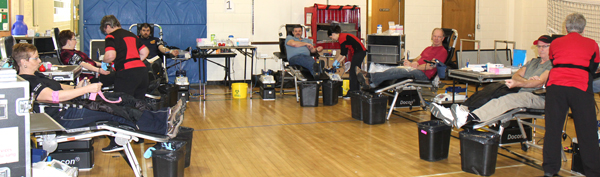
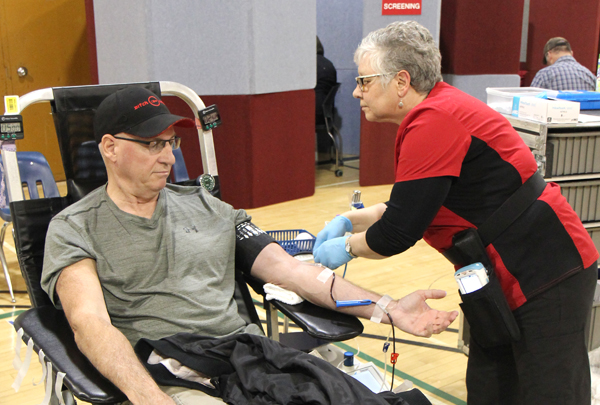
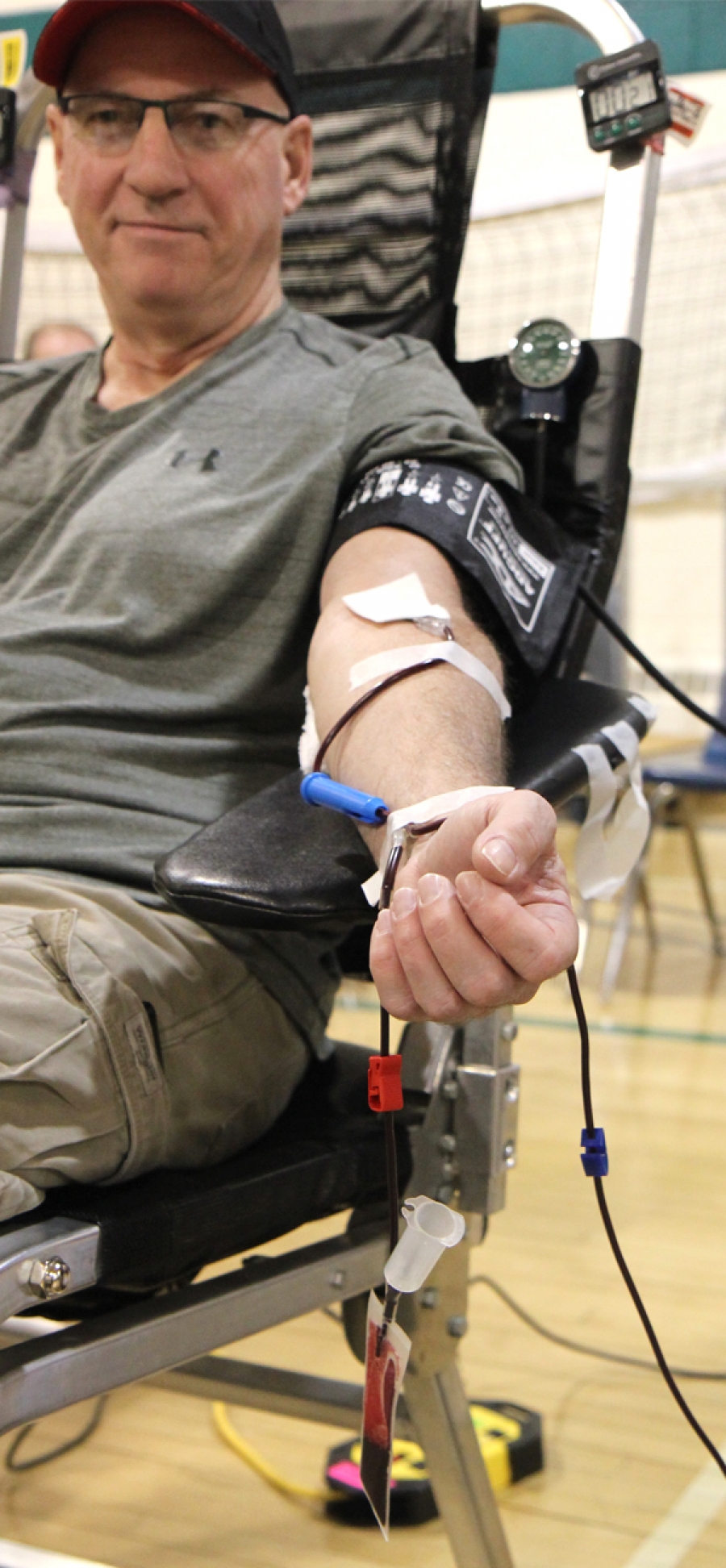
In fact, there was a clinic in town on March 14. Since beginning fifteen years ago, the Boissevain Kinsmen have partnered with the CBS to host clinics, doing many different jobs like creating a donor list, setting up a spot to hold clinics, volunteering at them and doing other special things to make the important work happen. Brandt Bessant has been the Kinsmen clinic coordinator, and he voiced his displeasure at the decision.
“I think it’s stupid,” Bessant said. “They are telling us it is the cost of production, but how do you put a price on it? I would look at it as an essential service like the police, ambulance, and fire department. I feel they are dropping the ball.”
Going to Brandon on the days the mobiles are open would be very difficult for those who work, Bessant said. Even rough math would say the 40 or so units collected each time in town, even after CBS cut down the hours of the clinics, would add up to a significant amount of blood and blood products every few months. You take that by the eleven different communities and it is difficult to see how the deficit will be made up. What happens if the clinics are full in Brandon on the day you can make it? What if your trip gets cancelled?
Bessant said the Kinsmen are disappointed by the decision, as it was a good way for them to contribute to the community. He felt the fact they were held in the school was good as it introduced blood donation to young people, who would then take that with them to clinics in universities.
“I think they’re shooting themselves in the foot on both the front end and the back end.”
Smith pressed that the closure should not be seen as a reflection on staff or donors. She said there are still ways for donors to help. They can go to the mobile clinics, they can sign to be on the organ donor list or swab their cheeks to be on the stem cell list.
“There are so many ways you can continue to give life,” she stated.
by PAUL RAYNER, Recorder staff
Photos by ANNA LATIMER, Recorder staff