
Then as the summer moved on, floods were forgotten as the sky sudden forgot how to produce precipitation. Dry conditions created the exact opposite problem, just as crops needed a little water.
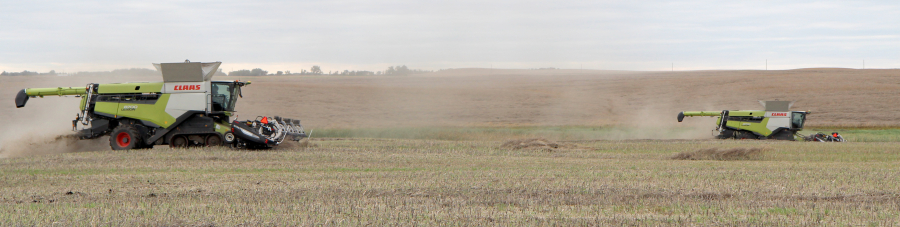
However, by late August, the drenching came again. When farmers were heading to the combines, they stopped for on again, off again rains. Some were fairly heavy, while others just kept the ground wet. There were reports of equipment getting stuck as hidden wet spots sucked tires in. Every time it rained, or even the sun was hidden, it took longer to dry the land out enough to get back out. Then it would rain again. As the days get shorter and the weather cooler, this adds to the stress felt by everyone in the agriculture industry.
Overall, the latest Manitoba Crop Report points to all reported communities in our area having considerably more precipitation than normal. From May 1 to September 20, Souris had 552 mms of rain, 172% of normal. Waskada saw 170% of normal and Dand 162%. Coming as much of it did at inopportune times, it was even more of an issue.
According to the report, harvest has been spotty due to ongoing rain issues. Water laying in fields has made transportation across them a challenge, with foggy evenings and dewy mornings contributing to bad conditions. Standing and swathed crops are sprouting, and lodging is a problem in many areas.
Wheat harvest is only 40-45% completed, with average to above-average yields. Quality has been good in earlier harvested crops, but downgrading is happening in more recently harvested ones.
Barley is about 70% completed, with average to above average yields. Again, more recently harvested crops are seeing quality decline, with sprouting and colour change among the issues, and some is being downgraded to feed.
Oat harvest is about 50% complete. Some is still green and producers are reluctant to swath.
Canola has barely started, with about 25% of it finished. Yields are average with good quality. Some fields are being swathed due to lodging due to disease, and some are being sprayed. Wet conditions are making it difficult to harvest.
Winter cereal and field pea harvest is complete, with reports of average yields and good quality. Soybeans are all over the map, with some 95% maturity and others still green.
If weather was not creating enough concerns, war in the Middle East and attacks on Russian energy infrastructure have impacted oil prices and shipments. This has definitely hit diesel prices, which are crucial to keeping the equipment running. Tariff concerns from both the US and China remain a concern.
Rains on Wednesday were expected to slow harvest once again.
by PAUL RAYNER, Recorder staff